
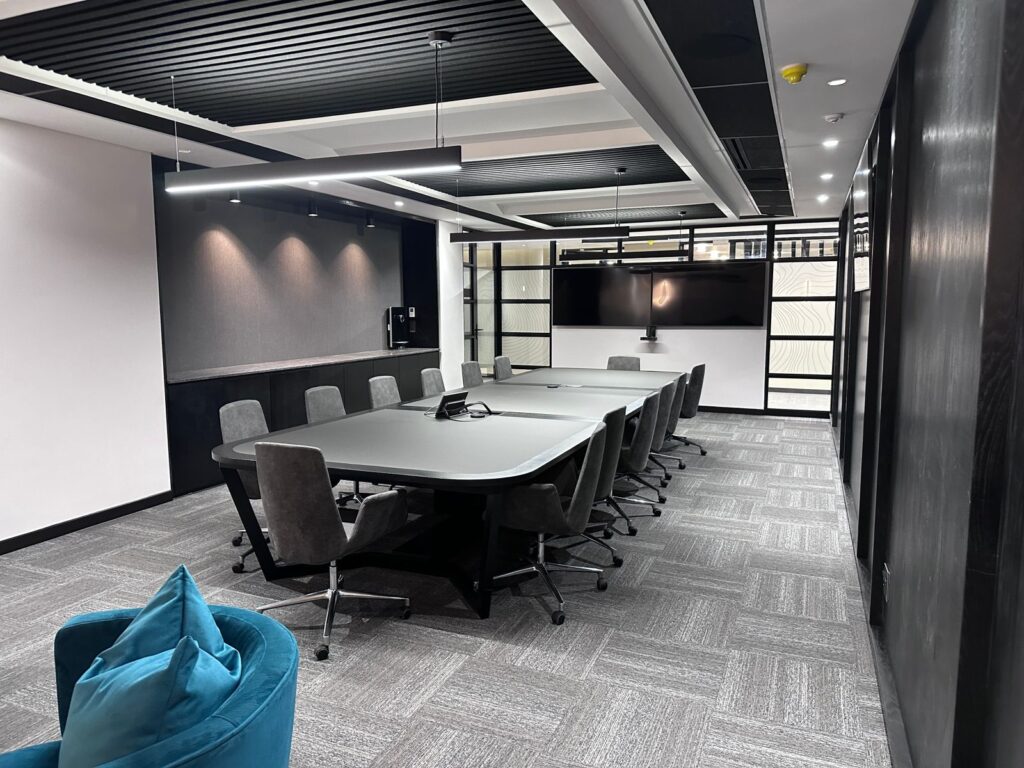
How Poor Acoustics Ruin Video Calls — And How to Fix It Fast
Video calls have become the backbone of modern business — especially in fast‑paced hubs like Sandton, Rosebank, Midrand, and the broader Johannesburg corporate scene. But even with the best cameras, microphones, and meeting room tech, one problem still destroys call quality more than anything else: Bad acoustics. If your boardroom or office has echo, reverb, or poor sound control, your video calls will always sound unprofessional — no matter how expensive your equipment is. Here’s why acoustics matter more than you think, and how to fix the problem quickly.
Why Poor Acoustics Destroy Video Call Quality
1. Echo Makes You Sound Unprofessional
Hard surfaces like glass, tiles, and concrete bounce sound around the room.
This creates echo — the “hollow” or “boomy” sound that makes voices unclear.
On the other side of the call, it sounds like you’re sitting in a bathroom. Not ideal for client meetings.
2. Background Noise Gets Amplified
Open‑plan offices, busy hallways, and shared spaces create constant noise:
- Conversations
- Footsteps
- Printers
- Air‑conditioning
- Traffic from outside
Without acoustic treatment, microphones pick up everything.
3. Speech Becomes Hard to Understand
Poor acoustics reduce speech clarity, making voices sound:
- Muffled
- Distant
- Harsh
- Metallic
This forces people to repeat themselves, slows down meetings, and creates frustration.
4. Even Premium AV Equipment Can’t Fix the Room
Many Sandton offices invest in:
- High‑end microphones
- 4K cameras
- Smart conferencing systems
- Video bars
But here’s the truth: Technology can’t compensate for a bad acoustic environment. The room itself must be treated first.
5. It Damages Your Brand Image
Clients judge your professionalism by how you sound. If your calls are echoey, noisy, or unclear, it reflects poorly on your business — especially in industries like finance, legal, consulting, and tech where communication is everything.
Why Sandton Offices Struggle With Acoustics
Sandton’s modern office buildings are beautiful — but acoustically harsh. Common issues include:
- Glass boardrooms
- High ceilings
- Minimalist décor
- Hard flooring
- Open‑plan layouts
- Thin drywall partitions
These design choices look premium but create terrible sound environments.
How to Fix Poor Acoustics — Fast
Here are the quickest, most effective solutions used in Sandton boardrooms and offices.
1. Acoustic Wall Panels
These absorb sound and reduce echo instantly.
Benefits:
- Modern, stylish designs
- Fast installation
- Huge improvement in clarity
- Works in boardrooms, offices, and open‑plan areas
2. Ceiling Acoustic Treatment
Most echo problems come from above.
Ceiling solutions include:
- Acoustic baffles
- Ceiling clouds
- Sound‑absorbing tiles
These dramatically improve speech clarity.
3. Soundproofing for Privacy
If conversations travel between rooms, you may need:
- Wall soundproofing
- Door seals
- Glass partition sound control
- Ceiling void insulation
Perfect for confidential meetings.
4. Boardroom Acoustic Optimization
A properly treated boardroom should have:
- Balanced sound
- No echo
- No reverb
- Clear speech
- Minimal background noise
This is essential for hybrid meetings and client calls.
5. Open‑Plan Noise Reduction
We create quieter work zones using:
- Acoustic dividers
- Desk screens
- Hanging panels
- Soft furnishings
- Strategic layout adjustments
This reduces distractions and improves focus.
How Fast Can You Fix It?
Most acoustic improvements can be installed:
- Within a day for small rooms
- Within 2–3 days for larger offices
- With zero disruption to your team
We work after hours if needed.